
Non-Alcoholic Espresso Negroni
There are few cocktails as polarizing, or as loved by cocktail aficionados, as the Negroni. That perfect trinity of gin, Campari, and sweet vermouth has been captivating drinkers since 1919, with its bold bitterness and striking ruby color. Now imagine taking that classic Italian aperitivo, adding the depth and complexity of coffee, and making it completely non-alcoholic. The result? This non-alcoholic espresso Negroni mocktail.
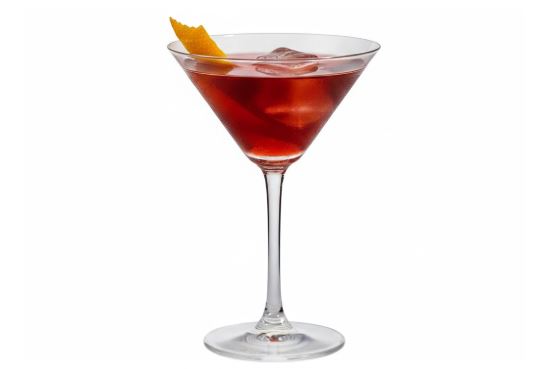
This isn’t a watered-down approximation or a consolation prize. It’s a genuinely compelling beverage that stands on its own merits, offering layer upon layer of flavor – bitter, sweet, spiced, coffee-forward, citrusy – all perfectly balanced in a single glass. Whether you’re a Negroni lover looking for a non-alcoholic option or someone who’s never had a Negroni but prefers the non-alcoholic version, this mocktail will impress.
What is a Negroni and Where Did it Come From?
The Negroni is one of the most celebrated cocktails in the world, a perfect example of how three simple ingredients can create something far greater than the sum of its parts. The classic recipe is equal parts gin, Campari (an Italian bitter aperitif), and sweet vermouth, stirred with ice and garnished with an orange peel.
The drink’s origin story, like many classic cocktails, is part history and part legend. The most widely accepted tale places its creation in Florence, Italy, in 1919. Count Camillo Negroni, a regular at Caffè Casoni, asked the bartender to strengthen his favorite cocktail – the Americano (Campari, sweet vermouth, and soda water) – by replacing the soda with gin. The bartender obliged, swapped the lemon garnish for orange, and the Negroni was born.
What makes the Negroni special is its unapologetic bitterness. This isn’t a drink for everyone – Campari’s intense, herbal bitterness is divisive. People tend to either love Negronis or hate them, with little middle ground. Those who love them appreciate the complexity, the balance between bitter and sweet, the way the botanical gin plays with the herbal Campari, and how the sweet vermouth rounds everything out.
The Non-alcoholic Espresso Negroni Variation
The espresso Negroni is a modern variation that adds coffee liqueur to the classic formula, creating something even more complex and layered. The coffee element adds depth, slight sweetness, and roasted notes that complement the bitter Campari beautifully. It also adds another layer of sophistication that appeals to coffee lovers.
This mocktail version takes that concept and makes it completely non-alcoholic by using:
- Non-alcoholic Jamaican spiced rum (for complexity and spice notes)
- Non-alcoholic coffee liqueur (for coffee depth and sweetness)
- Non-alcoholic Italian bitter (for that essential Campari-like bitterness)
- Non-alcoholic sweet vermouth (for herbal sweetness and body)
The result retains the essence of both a classic Negroni and an espresso Negroni while being completely alcohol-free.
Understanding the Italian Aperitivo Tradition
To appreciate this mocktail, it helps to understand the tradition it comes from. In Italian culture, the aperitivo is a pre-dinner ritual – typically occurring between 6-8 PM – where you enjoy a drink and small snacks to stimulate your appetite before the evening meal.
Aperitivo drinks are traditionally bitter because bitterness stimulates saliva production and digestive enzymes, literally preparing your body for food. This is why drinks like the Negroni, Aperol Spritz, and Americano are aperitifs rather than after-dinner drinks.
The Negroni embodies this tradition perfectly – it’s strong enough to feel substantial, bitter enough to awaken your palate, yet balanced enough to not overwhelm. It’s meant to be sipped slowly while socializing, marking that crucial transition from the workday to leisure time.
This non-alcoholic version honors that tradition, allowing everyone to participate in aperitivo culture regardless of their relationship with alcohol.
The Rise of Non-Alcoholic Spirits
This mocktail wouldn’t have been possible even five years ago. The explosion of craft non-alcoholic spirits has revolutionized what’s possible in mocktail-making. Companies are now creating sophisticated products that capture the complexity, botanicals, and even the mouthfeel of traditional spirits without any alcohol.
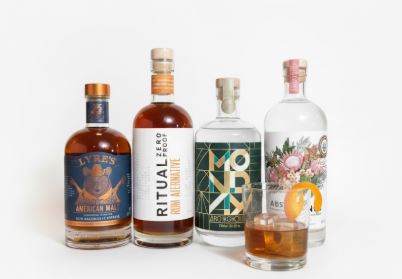
These aren’t “de-alcoholized” versions where alcohol is removed (which often leaves thin, disappointing results). Instead, they’re built from the ground up using botanicals, extracts, and innovative techniques to create depth and complexity without relying on alcohol as a flavor carrier or preservative.
This matters because cocktail culture isn’t just about alcohol – it’s about ritual, craftsmanship, sophistication, and the sensory experience of a well-balanced drink. Quality non-alcoholic spirits make all of this accessible to non-drinkers.
Non-Alcoholic Espresso Negroni Ingredients
This recipe requires four non-alcoholic spirits plus a garnish. The quality of your non-alcoholic spirits is crucial – this is a spirit-forward drink with nowhere to hide. Here’s what you’ll need. For exact measurements, see the recipe card below.
The Spirit Components
Non-Alcoholic Jamaican Spiced Rum (1 oz/30ml): This might seem like an unusual choice for a Negroni-style drink, but hear me out. Traditional Negronis use gin, which provides botanical complexity. In this non-alcoholic version, a spiced rum alternative brings its own complexity through warm spices like vanilla, cinnamon, nutmeg, and clove.
Look for quality non-alcoholic rum alternatives like Lyre’s Dark Cane Spirit, Ritual Rum Alternative, or similar products. These are crafted to provide the molasses depth, spice complexity, and slight sweetness that rum brings to cocktails.
Why rum instead of non-alcoholic gin? While you could certainly use a non-alcoholic gin, the spiced rum adds warmth and complexity that plays beautifully with the coffee element, creating a more cohesive, rounded drink. If you prefer, substitute with 1 oz of non-alcoholic gin for a more traditional profile.
Non-Alcoholic Coffee Liqueur (¼ oz/8ml): This is the espresso element that distinguishes this from a regular Negroni. Coffee liqueur brings rich, roasted coffee flavor with sweetness that balances the bitterness.
Mr. Black Cold Brew Coffee Liqueur makes a non-alcoholic version, or you could use other coffee liqueurs like Lyre’s Coffee Originale. In a pinch, you could even use a concentrated cold brew coffee sweetened with simple syrup, though it won’t have quite the same depth.
The amount is deliberately small – you want coffee notes without this becoming a coffee drink. It should be a supporting character, not the star.
Non-Alcoholic Italian Bitter (1½ oz/45ml): This is the soul of the Negroni – the bitter element that defines the drink. You need a non-alcoholic aperitif that captures the intense, herbal bitterness of Campari.
Excellent options include:
- Lyre’s Italian Orange (designed specifically to mimic Campari)
- Ghia (a sophisticated bitter aperitif)
- Wilfred’s Bittersweet (another Campari alternative)
- Monday Zero Alcohol Gin (has bitter botanicals)
The Italian bitter is the largest component in this recipe, making it the dominant flavor. Choose a quality product – this is where you’ll taste the difference between good and great.
Non-Alcoholic Sweet Vermouth (½ oz/15ml): Sweet (red) vermouth is a fortified wine infused with botanicals, herbs, and spices. It adds sweetness, body, and herbal complexity that rounds out the bitter elements.
Drink NOA makes an excellent non-alcoholic vermouth, as does Lyre’s Aperitif Rosso. These products capture the sweet, herbal, slightly oxidized flavor profile of traditional sweet vermouth.
The vermouth might seem like a small component, but it’s crucial for balance. It keeps the drink from being overwhelmingly bitter and adds aromatic complexity.
The Garnish
Grapefruit peel: Unlike the traditional Negroni (which uses orange peel), this version calls for grapefruit. The grapefruit’s slightly more bitter, more tart citrus oils complement the coffee element beautifully and add a gorgeous aromatic component.
The peel should be expressed over the drink (twisted to release the oils) before being added as a garnish. This isn’t just decoration – the citrus oils significantly impact the aroma and therefore the perceived flavor.
Use fresh grapefruit and cut a wide peel (about 2 inches long and 1 inch wide) with as little white pith as possible. The pith is bitter in an unpleasant way.
Why grapefruit instead of orange? The coffee element in this drink pairs better with grapefruit’s slight bitterness than with orange’s sweeter profile. That said, orange peel also works if you prefer – it just creates a slightly different drink.
Equipment You’ll Need
Mixing glass: A proper mixing glass allows you to stir the drink with ice, properly chilling and diluting it. If you don’t have a mixing glass, use any glass or small pitcher that can accommodate ice and 3 oz of liquid.
Bar spoon: A long-handled spoon for stirring. The long handle and twisted shaft are designed for efficient stirring, but a regular spoon works in a pinch.
Strainer: A Hawthorne strainer or julep strainer for pouring the stirred drink into your serving glass while leaving the ice behind. A small fine-mesh strainer also works.
Jigger: For accurate measuring. Precision matters in spirit-forward drinks like this.
Rocks glass: Also called an old-fashioned glass. A short, wide glass designed for drinks served over ice.
Channel knife or vegetable peeler: For cutting citrus peels.
How to Make a Non-Alcoholic Espresso Negroni Step-By-Step
This is a stirred cocktail, not shaken – an important distinction. Stirring creates a silky, smooth texture without introducing air bubbles or making the drink cloudy. The technique is simple but important for achieving the right dilution and temperature.
Step 1: Chill your serving glass. Place your rocks glass in the freezer for at least 10 minutes before making the drink. A cold glass helps maintain the drink’s temperature longer. Alternatively, fill it with ice water while you prepare the drink, then dump it out just before serving.
Step 2: Prepare your large ice cube for serving. Negronis are traditionally served over one large ice cube rather than multiple small cubes. Large ice melts more slowly, keeping your drink cold without diluting it too quickly. If you don’t have large ice cube molds, regular ice cubes work – you’ll just need to drink it slightly faster.
Step 3: Fill your mixing glass about halfway with ice. You need enough ice to properly chill and dilute the drink, but not so much that there’s no room for stirring. Standard ice cubes are fine for mixing.
Step 4: Add all the liquid ingredients to the mixing glass with ice:
- 1 oz (30ml) non-alcoholic Jamaican spiced rum
- ¼ oz (8ml) non-alcoholic coffee liqueur
- 1½ oz (45ml) non-alcoholic Italian bitter
- ½ oz (15ml) non-alcoholic sweet vermouth
Step 5: Stir with purpose and patience. Insert your bar spoon into the mixing glass and stir smoothly in one direction (it doesn’t matter which). Use fluid, circular motions, keeping the spoon against the inside of the glass. Stir for 30-45 seconds, or as the recipe says, “until your fingers become very cold.”
Why this matters: Stirring serves two purposes. First, it chills the drink to the proper temperature (which makes all the flavors more balanced and pleasant). Second, it adds water through dilution as the ice melts, which actually improves the drink by softening harsh edges and opening up flavors.
How do you know when it’s done? The mixing glass should feel very cold to the touch. Your fingers should be uncomfortably cold if you’re holding the glass. The drink should look slightly viscous and silky. This typically takes 30-45 seconds of continuous stirring.
Step 6: Prepare your garnish while the drink finishes stirring. Cut a piece of grapefruit peel about 2 inches long and ¾ to 1 inch wide. Try to get mostly the colored outer peel with minimal white pith. The peel should be thick enough to bend without breaking but thin enough to express oils.
Step 7: Place your large ice cube in your chilled serving glass. The single large cube is traditional and practical for Negronis.
Step 8: Strain the stirred drink over the ice cube. Hold your strainer over the mixing glass and pour the deep, dark liquid into your serving glass. It should have a beautiful, rich color – somewhere between deep burgundy and chocolate brown.
Step 9: Express the grapefruit peel. Hold the peel over the drink, colored side down, between your thumb and fingers. Quickly bend or twist it, expressing the citrus oils onto the surface of the drink. You should see a fine mist of oils spray across the drink’s surface. This is crucial – these aromatic oils significantly impact the drinking experience.
Step 10: Rub the expressed peel around the rim of the glass, then drop it into the drink or hang it on the rim as a garnish. The rim-rubbing adds citrus aroma with each sip.
Step 11: Serve immediately. Unlike many cocktails, a Negroni should be sipped slowly – it’s a contemplative drink meant for leisurely enjoyment.
Stirring vs. Shaking Espresso Negroni
Why is this drink stirred instead of shaken? It’s not arbitrary – the technique affects the final product:
Stirred drinks are smoother, silkier, and clearer. Stirring gently incorporates water through dilution while maintaining the drink’s clarity and creating a smooth mouthfeel. This is ideal for spirit-forward cocktails where you want to taste the individual components harmonizing together.
Shaken drinks are colder, more diluted, and aerated (slightly cloudy). Shaking is great for drinks with citrus juice, cream, or egg whites where you want incorporation and texture, but it would make this Negroni too diluted and cloudy.
The general rule: if all ingredients are spirits (no juice or dairy), stir. If there’s citrus juice, cream, or egg whites, shake.
Understanding the Flavor Profile
This is a complex drink. Here’s what to expect:
First sip: A wave of bitterness from the Italian bitter, immediately followed by coffee notes and citrus aroma from the grapefruit peel.
Mid-palate: The spiced rum’s warmth comes forward with notes of vanilla and baking spices. The sweet vermouth adds herbal complexity. The coffee provides depth and roasted notes.
Finish: Clean bitterness that lingers pleasantly, with subtle coffee and spice notes trailing off.
Overall character: Bitter, complex, slightly sweet, coffee-forward, warming. This is an adult drink – sophisticated, not crowd-pleasing. If you love bitter flavors and coffee, you’ll likely love this. If you don’t like bitterness, this might not be for you.
The surprise: Despite being non-alcoholic, this has remarkable depth and complexity. The multiple layers of flavor give your palate something new with each sip.
When to Serve a Non-Alcoholic Espresso Negroni
This drink works in specific contexts:
Aperitivo Hour: The traditional time – early evening before dinner. The bitterness stimulates the appetite.
After-Dinner Alternative: Despite being an aperitif traditionally, the coffee element makes this work as an after-dinner drink too, similar to an espresso martini.
Cocktail Hour: When entertaining, offer this alongside regular cocktails for a sophisticated non-alcoholic option.
Date Night at Home: Impress your partner with your bartending skills. This is a romantic, elegant drink.
Quiet Evening: This is a contemplative drink perfect for slow sipping while reading or unwinding.
Business Meetings: For professional lunches or dinners where you want something sophisticated but can’t drink alcohol.
Coffee Alternative: For afternoon pick-me-ups, this provides coffee flavor in a more interesting format.
This isn’t a party drink or a crowd-pleaser – it’s for people who appreciate complex, bitter flavors and are willing to sip slowly and pay attention.
Customizing Your Espresso Negroni
While this recipe is beautifully balanced as written, here are variations to try:
More Coffee-Forward: Increase the coffee liqueur to ½ oz for a stronger coffee presence.
Extra Bitter: Increase the Italian bitter to 2 oz and decrease the rum to ½ oz for a more aggressively bitter version.
Sweeter Version: Add ¼ oz simple syrup if the bitterness is too intense.
Classic Negroni Style: Omit the coffee liqueur and use 1 oz each of the rum (or substitute non-alcoholic gin), Italian bitter, and sweet vermouth for a non-alcoholic classic Negroni.
Orange Instead of Coffee: Replace the coffee liqueur with ¼ oz orange liqueur or orange juice concentrate for a more traditional profile.
Different Garnish: Try orange peel instead of grapefruit for a sweeter, more traditional Negroni experience.
White Negroni: Use non-alcoholic gin, Lillet Blanc alternative, and gentian liqueur for a completely different but equally bitter take.
Pairing Food with Your Espresso Negroni
The bitter-sweet-coffee profile pairs well with:
Italian Appetizers: Olives, marcona almonds, prosciutto (or plant-based alternatives), aged cheeses, bruschetta.
Rich Foods: The bitterness cuts through fatty, rich foods beautifully. Pair with charcuterie, pâté, or rich cheeses.
Dark Chocolate: The coffee and bitter elements love dark chocolate (70% cacao or higher).
Nuts: Especially walnuts, pecans, or hazelnuts, which echo the drink’s roasted, slightly bitter notes.
Coffee Desserts: Tiramisu, coffee ice cream, or espresso brownies.
Savory Dinner: This can accompany a meal, particularly Italian dishes or grilled meats.
The drink works as both an aperitif (before dinner) or a digestif (after dinner), making it unusually versatile.
Storage Notes
The Drink: Never pre-make stirred cocktails. They must be made fresh to order for proper temperature and dilution. However, you can pre-measure the spirits in a small bottle, keep refrigerated, then stir with ice when ready to serve.
Opened Bottles: Non-alcoholic spirits should be refrigerated after opening and used within 6-8 weeks for best quality. They won’t spoil, but flavors fade over time.
Large Ice Cubes: Make large ice cubes well in advance and keep frozen in sealed bags to prevent them from absorbing freezer odors.
Garnishes: Cut grapefruit peels up to 4 hours ahead and store in a sealed container in the refrigerator. Express them just before serving.
Batch for a Party: You can pre-mix the spirits in a bottle (use 1 oz rum + ¼ oz coffee liqueur + 1½ oz Italian bitter + ½ oz vermouth per serving). Keep refrigerated. To serve, stir 3¼ oz of the mixture with ice until very cold, then strain over fresh ice.
Frequently Asked Questions
Can I use regular (alcoholic) spirits?
Absolutely! For an alcoholic version, use: 1 oz dark rum or bourbon, ¼ oz Kahlúa or Mr. Black, 1½ oz Campari, ½ oz sweet vermouth. Same preparation method.
What if I can’t find all these non-alcoholic spirits?
Start with what you can find. The Italian bitter is the most essential. If you can’t find non-alcoholic rum, use more vermouth and add a dash of vanilla extract for complexity. If you can’t find coffee liqueur, use cold brew concentrate with simple syrup.
Is this caffeinated?
It depends on your coffee liqueur. Some non-alcoholic coffee liqueurs contain caffeine, others don’t. Check the label. If using cold brew as a substitute, yes, it will be caffeinated.
Why is my drink too bitter?
Negronis are supposed to be quite bitter – it’s their defining characteristic. If it’s too much, reduce the Italian bitter to 1 oz and increase the sweet vermouth to 1 oz. Or add ¼ oz simple syrup.
Can I shake this instead of stirring?
You can, but you shouldn’t. Shaking will make it cloudy and over-diluted. Part of a Negroni’s appeal is its clarity and silky texture, which only comes from stirring.
How long should I stir?
Until the mixing glass is very cold to the touch and your fingers are uncomfortably cold, usually 30-45 seconds of continuous stirring.
What if I don’t have a large ice cube?
Use 2-3 regular ice cubes instead. The drink will dilute faster, so sip a bit more quickly.
Is this actually a Negroni without gin?
Technically, no – a traditional Negroni uses gin. But this is inspired by the Negroni’s structure and bitterness while adding coffee and using non-alcoholic spirits. Think of it as a Negroni-style drink.
Non-Alcoholic Espresso Negroni Recipe
Ingredients
Method
- Chill your rocks glass by placing it in the freezer for 10 minutes, or fill it with ice water while you prepare the drink.
- Prepare your large ice cube for serving and set it aside.
- Fill your mixing glass about halfway with regular ice cubes.
- Add all liquid ingredients to the mixing glass with ice: 1 oz (30ml) non-alcoholic Jamaican spiced rum, ¼ oz (8ml) non-alcoholic coffee liqueur, 1½ oz, (45ml) non-alcoholic Italian bitter, ½ oz (15ml) non-alcoholic sweet vermouth
- Stir smoothly and continuously with a bar spoon for 30-45 seconds, until the mixing glass is very cold to the touch and your fingers are uncomfortably cold. Use fluid, circular motions in one direction, keeping the spoon against the inside of the glass.
- While stirring completes, cut a piece of grapefruit peel about 2 inches long and ¾-1 inch wide, with minimal white pith.
- If you filled your serving glass with ice water, dump it out now. Place one large ice cube in the chilled rocks glass.
- Place your strainer over the mixing glass and strain the stirred drink over the ice cube in the serving glass. The drink should have a deep, rich burgundy-brown color.
- Express the grapefruit peel: Hold it over the drink (colored side down) and quickly twist or bend it to spray citrus oils across the drink’s surface. You should see a fine mist.
- Rub the expressed peel around the rim of the glass, then drop it into the drink or hang it on the rim as garnish.
- Serve immediately. Sip slowly and savor the complex flavors.
Notes
- More coffee-forward: increase coffee liqueur to ½ oz
- Extra bitter: increase Italian bitter to 2 oz, decrease rum to ½ oz
- Sweeter: add ¼ oz simple syrup
- Classic Negroni style: omit coffee liqueur, use 1 oz each of Italian bitter, sweet vermouth, and rum (or non-alcoholic gin)
Similar Mocktails To Try Out: